

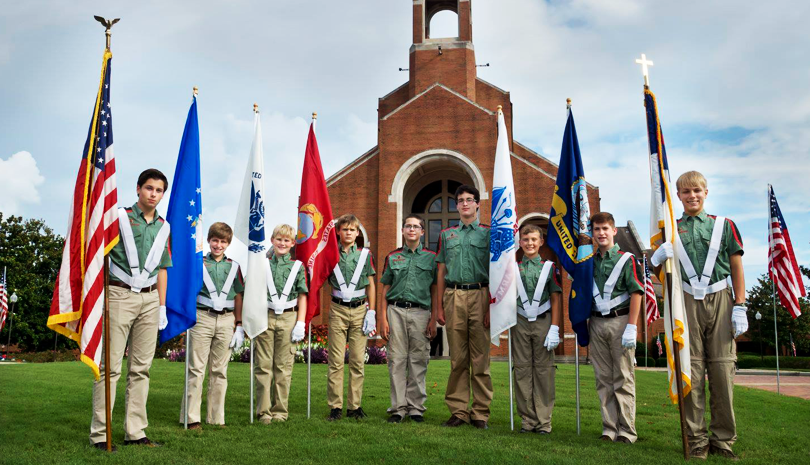
A Program That Grows With Him
Trail Life is designed to grow with a boy. What begins with hands-on discovery and adventure develops into greater independence, responsibility, service, leadership, and mentorship as he approaches adulthood.
Woodland Trails
Adventure Starts Here
Ages 5–10 • Grades K–5
Woodland Trails introduces younger boys to Trail Life through active, hands-on experiences. Boys learn by doing—exploring outdoors, practicing useful skills, playing games, completing projects, learning biblical truths, and experiencing adventure alongside their patrol.
The program grows with them through three age-based patrols:
🦊 Foxes
Ages 5–6 • Grades K–1
Foxes are just beginning the Trail Life adventure. The emphasis is on discovery, participation, friendships, foundational skills, and having fun while learning alongside adults.
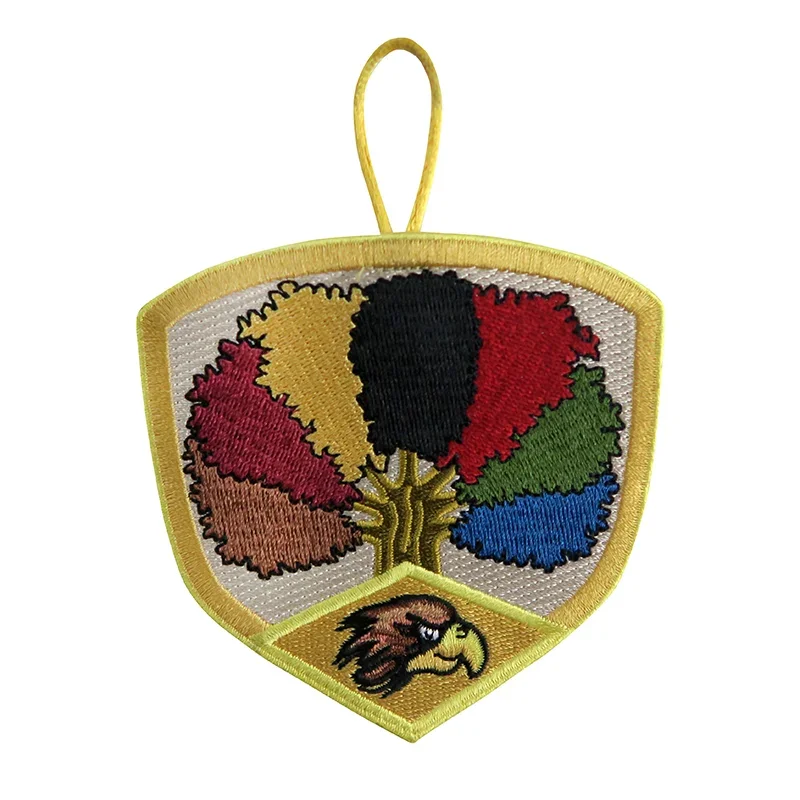
🦅 Hawks
Ages 7–8 • Grades 2–3
Hawks take the next step with more exploration, increasingly challenging skills, teamwork, and greater personal responsibility.
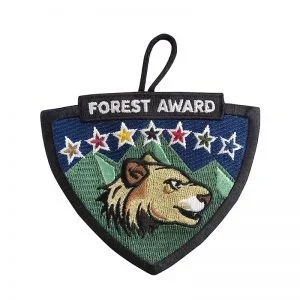
🦁 Mountain Lions
Ages 9–10 • Grades 4–5
Mountain Lions are the oldest boys in Woodland Trails. They take on greater challenges, develop stronger outdoor and practical skills, serve others, and begin preparing for the transition into Navigators.
Learning by doing. Woodland Trails advancement is largely participation-based. Regular attendance gives boys opportunities to experience the activities, skills, and requirements that lead to advancement and awards.
From Participating to Leading
Around age 11, Trail Life begins an important transition. Boys take increasing ownership of their advancement, skills, service, decisions, planning, and leadership.
Adults are still there to teach, protect, guide, and mentor—but increasingly, boys are expected to do the work themselves.
Navigators
Ages 11–13 • Grades 6–8
Navigators marks the transition toward greater independence.
Boys develop stronger outdoor and practical skills, work toward advancement and Trail Badges, participate in service, take responsibility within their patrols, and begin exercising meaningful youth leadership.
Instead of adults doing everything for them, leaders increasingly coach boys to think, plan, decide, solve problems, and learn from experience.
Their spiritual growth becomes more personal as well, as boys begin connecting biblical truth to their own decisions, friendships, identity, and responsibilities.
Adventurers
Ages 14–17 • Grades 9–12
Adventurers are the oldest Trailmen in the troop, and the program increasingly treats them like the young men they are becoming.
The emphasis shifts toward leadership, service, mentoring, independence, advanced skills, meaningful challenge, and preparation for Christian manhood.
Older Trailmen may help plan and lead activities, hold youth leadership positions, organize projects, mentor younger boys, track their own service, and take greater responsibility for their advancement and the success of their patrol.
Adults remain involved—but increasingly as coaches and mentors rather than directors.
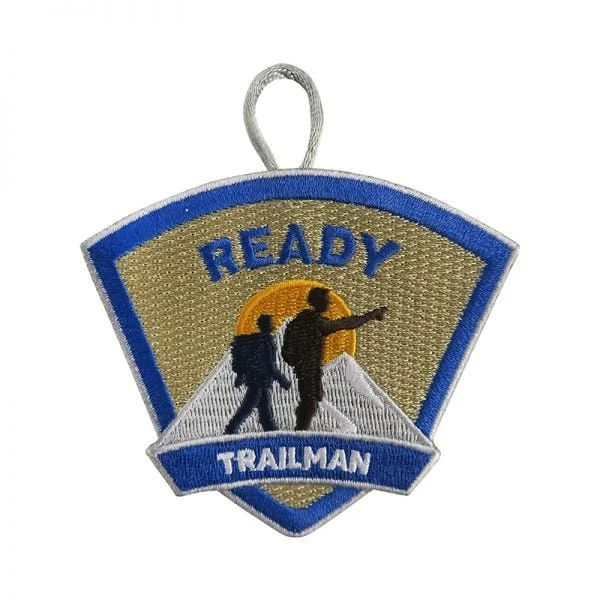
Navigators & Adventurers


The Goal Is More Than Advancement
Awards, ranks, Trail Badges, service hours, and other achievements give boys meaningful goals and recognize their progress. But advancement isn't simply a race to collect patches.
The greater goal is the growth that happens along the way—competence, character, responsibility, leadership, service, relationships, and faith.
As boys mature, they are expected to take greater ownership of that growth themselves.
There's a Place for Him on the Trail
A boy doesn't have to start in kindergarten. Whether he's 5, 11, or 16, he can join Troop 4110 at the program level appropriate for his age and begin from there.